Between online articles and social media posts, there’s a plethora of skin care recommendations out there to choose from. Many, though, focus more on selling their products than on what’s best for you. Instead of combing through endless online resources, let Amy Brenner, MD & Associates design your perfect skin care routine.
Our Cincinnati-based medispa performs a wide range of skin care services, from relaxing facials to advanced laser resurfacing. Although these treatments are highly beneficial for your skin, they only take up a small fraction of your time over the complete course of your life. That’s why we also stress the importance of at-home skin care and are happy to help you build a personalized routine.
We’re exploring the ins and outs of skin care—why it matters, how it works, and which aspects you should prioritize throughout your life. Learn what key skin care steps you should focus on at each age.
Skin Care 101: Why It Matters & How It Works
Skin care protects and enhances your skin’s health and appearance. Cleansing, moisturizing, and sun protection form the core of most skin care routines. However, you can add many other steps to address your individual concerns. But what should you add to your routine? That’s skin care’s million-dollar question.
To optimize your skin care regimen, consider your skin type, lifestyle, and goals when choosing between products. For example, if you have dry skin, prioritize intense moisturizing. If you spend lots of time in the sun, broad-spectrum SPF should be your best friend. Obsessed with being wrinkle-free? Opt for a potent retinol.
You get the idea, but what solutions are there for all the other skin issues? That’s when our expert support team steps in to cater to all your unique concerns.
Targeted Skin Care: What Your Routine Can Treat
How you treat your skin affects almost every aspect of it. Here are some concerns an effective skin care routine can address:
- Fine lines & wrinkles
- Firmness & elasticity
- Hyperpigmentation & dark spots
- Redness & irritation
- Texture issues
- Acne & breakouts
- Dryness, dehydration, & dullness
- Oil & shine control
As you can see, proper skin care is about more than daily hygiene—it’s the path to long-term skin health.
What are the benefits of skin care?
The benefits of taking care of your skin go beyond the concerns it treats; there’s also how it makes you feel.
Improved Skin Health
When most people think about skin care, they think of their appearance, which we understand. However, many skin issues also affect how you feel. Concerns like dryness and acne can cause significant discomfort, affecting your quality of life. Good skin health contributes to physical comfort and overall wellness—healthy skin, happy life!
Increased Self-Care
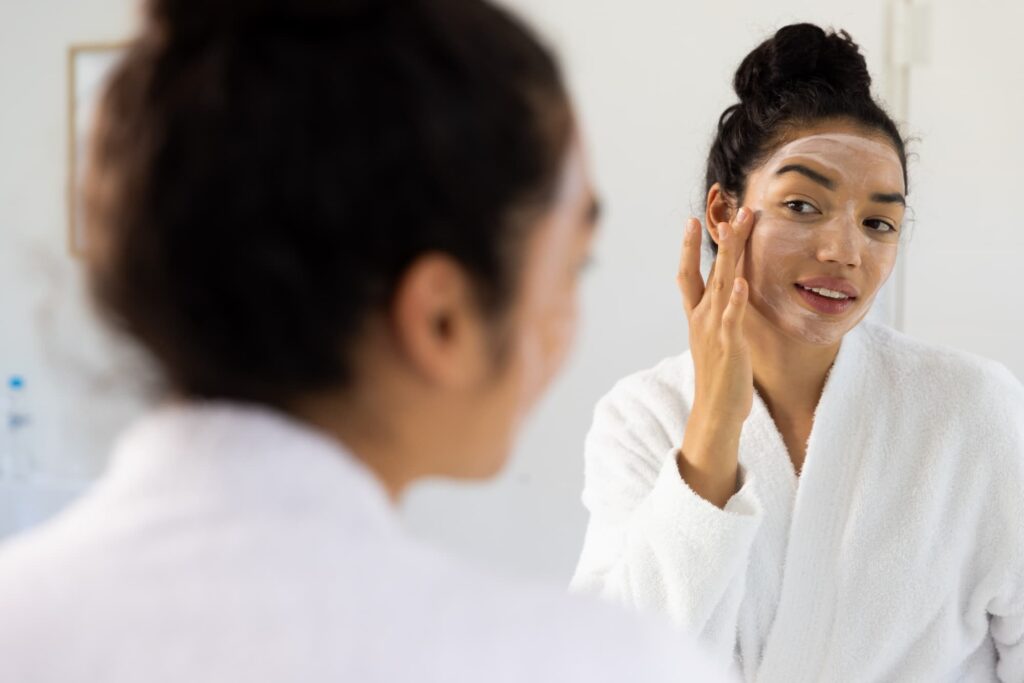
Taking a moment from life’s chaos to care for yourself has many benefits for your mental and physical health. A simple morning and night skin care routine can be a small but impactful act of self-care, contributing to an all-around better sense of well-being.
Enhanced Confidence
Your looks may not be everything, but they do matter in shaping your self-image and others’ perceptions of you. Smoother skin can empower you to do things you might otherwise avoid, such as taking photos, meeting new people, and seeing new sights. Nothing is more fulfilling than empowering our patients to feel confident!
How does skin care work?
From simple topical creams to microneedling with growth factors, a large variety of skin care delivery methods exist. Ultimately, they all add ingredients to your skin, which affect it in different ways. The superior ingredients found in good skin care products maximize their absorption into your skin.
Effective skin care ingredients include:
- Retinoids, peptides, and growth factors for increasing collagen and elastin production to reinforce your skin’s tightness.
- Hyaluronic acid, ceramides, and niacinamide for hydration and skin barrier repair to enhance texture and tone.
- Vitamin C and hydroquinone to clear unwanted pigment and brighten your complexion.
- Various acids to kill bacteria, exfoliate away damaged skin, and unclog pores.
- Benzoyl peroxide and azelaic acid to control inflammation and fight acne.
Keep in mind, including these science-backed ingredients doesn’t automatically make a product effective. They must also use the correct concentration of ingredients, incorporate stable formulations and delivery methods, come in packaging that maintains potency, and avoid any unnecessary irritants.
Ingredient Concentration
Some skin care products use high-quality ingredients, but either the quantities are too small to be beneficial or so large that they cause irritation. The most successful products achieve optimal skin results by using the perfect blend of ingredients that won’t overwhelm your skin.
Stable Formulations and Delivery Methods
Good skin care products have stabilized formulations and reliable delivery technologies (like encapsulation or liposomes) to ensure ingredients penetrate the skin and stay effective. Poor-quality skin care uses unstable ingredients which break down fast, preventing them from penetrating the skin and maintaining their potency.
Packaging That Preserves Potency
Manufacturers package quality skin care in airless pumps or opaque, UV-resistant bottles to preserve active ingredients. Using clear jars and droppers in skin care can expose ingredients to air and light, compromising their effectiveness.
Skin-Friendly Formulations
For healthy skin, use products that avoid irritants like high alcohol levels, artificial fragrances, and harsh sulfates. These ingredients can lead to dryness, redness, and breakouts.
The Keys to Effective Skincare
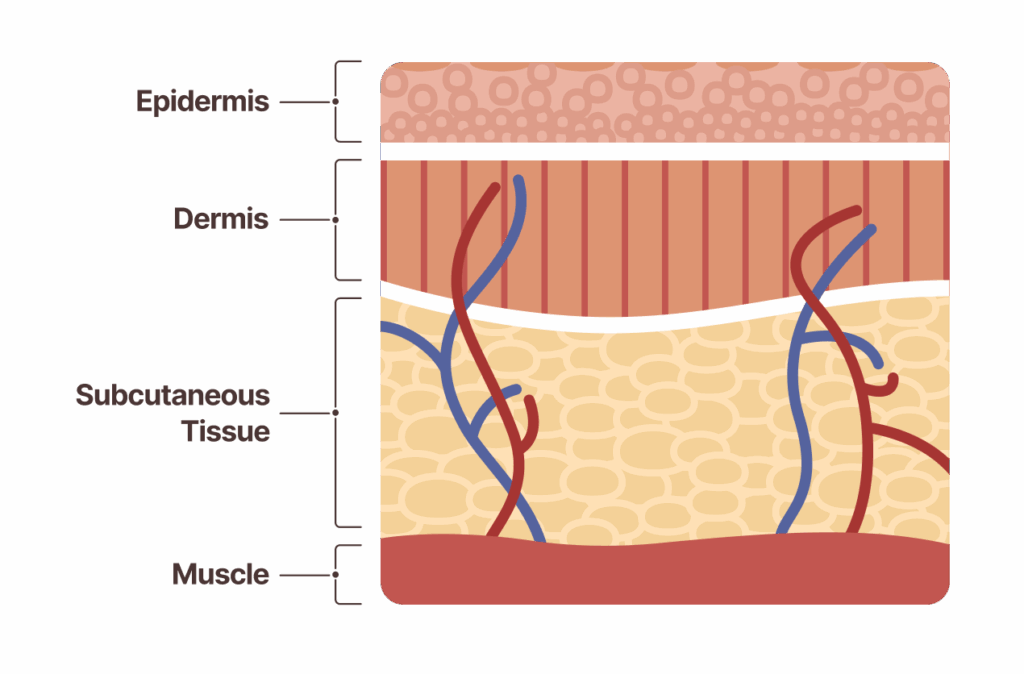
When these positive aspects combine, you have a product capable of penetrating your top layer of skin, the epidermis, to reach the dermis, where active ingredients can take effect. So why’s it so important these ingredients reach your dermis?
To affect your skin’s surface, skin care ingredients must first reach its building blocks. Since your cellular processes occur beneath the skin’s surface, effective skin care products interact with these cells to cause meaningful changes. The dermis houses many crucial components that make up your skin:
- Collagen
- Elastin
- Fibroblasts
- Blood vessels
When skin care products reach these components, they can directly impact your skin’s health—the ultimate goal of a skin care routine.
Creating Your Skin Care Routine: A Personalized Approach
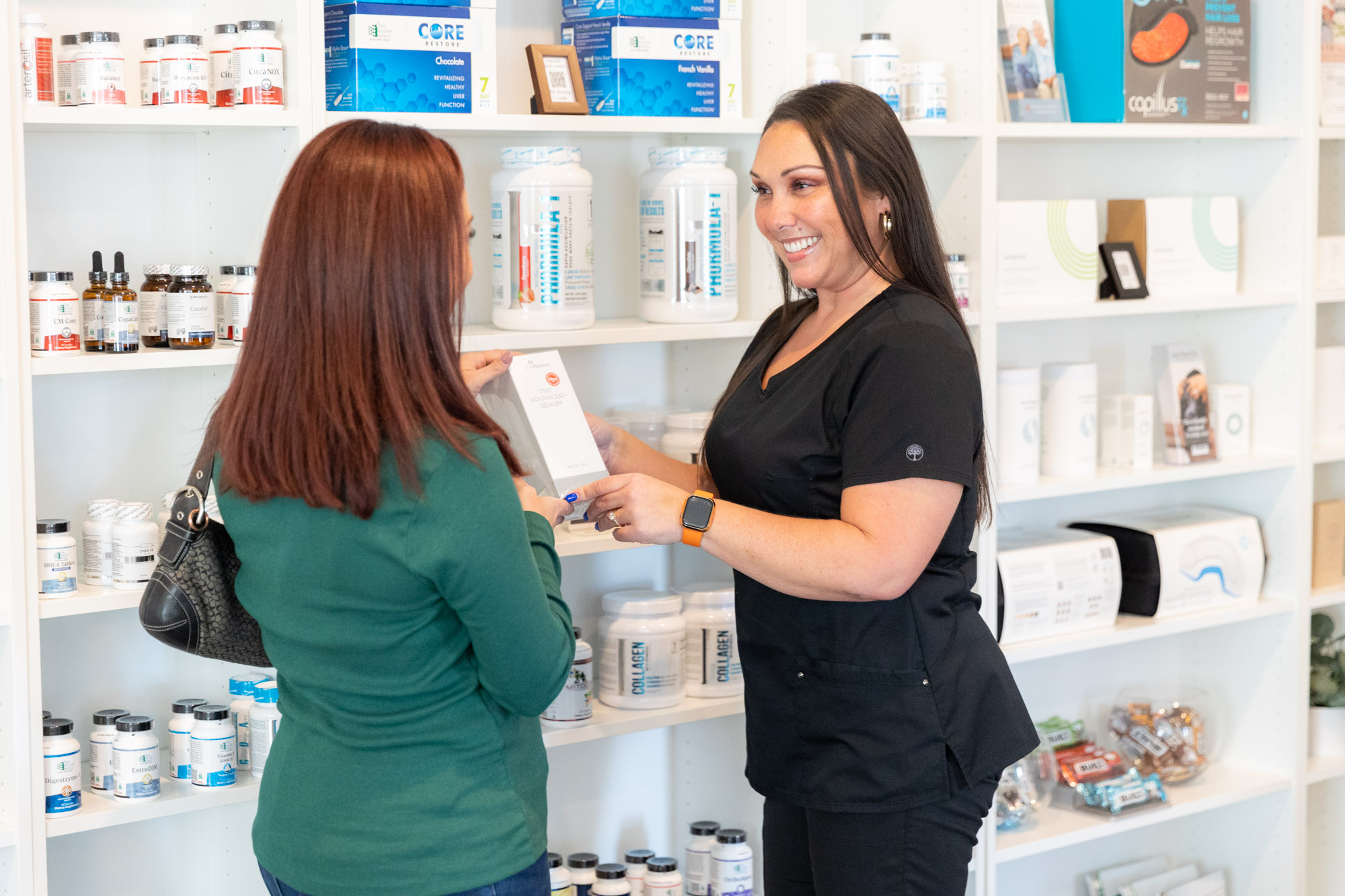
Although you can create your own skin care routine, professional guidance makes a big difference. Our team’s expertise in skin health and quality ingredients saves you the trouble of trial-and-error purchases.
Consultation
When you first visit Amy Brenner, MD & Associates, we’ll perform a skin care consultation to get to know you, your skin, and your goals. One of our qualified skin specialists will assess your skin, review your medical history, and determine the cause of your concerns.
Treatment Planning
With a thorough understanding of your skin type, they can design a personalized skin care routine and recommend further treatments that may benefit you. This custom regimen will include helpful information like:
- The best skin care products for your needs
- The correct order to apply them
- How much to use and when to apply each product
- The results you can expect over time
- How to adjust your routine if you experience any reactions
Ongoing Support
Once we’ve developed your skin care routine, we’ll continue to support you. We’ll schedule check-in appointments to monitor your progress, address any questions, and make necessary adjustments to your plan.
To get started with this process online, book today.
Our Skin Care Recommendations by Age
Skin care elements like cleansing, sun protection, and hydration are always important. But leaning into certain elements as you get older can help you achieve your best skin at every age.
In Your 20s | Protect & Maintain
Those who battled acne as teens often develop solid skin care habits by their 20s, but many others don’t know where to begin. In your 20s, establish a regular skin care routine, including cleanser, toner, moisturizer, and sunscreen. In your late 20s, supplement your routine with vitamin C to help retain your youthful glow.
In Your 30s | Nourish & Sustain
In your 30s, add tretinoin or retinol to your routine to sustain collagen and elastin production, staving off fine lines and wrinkles. Opt for a gentler, lower-percentage formula, so you can apply it daily without irritation.
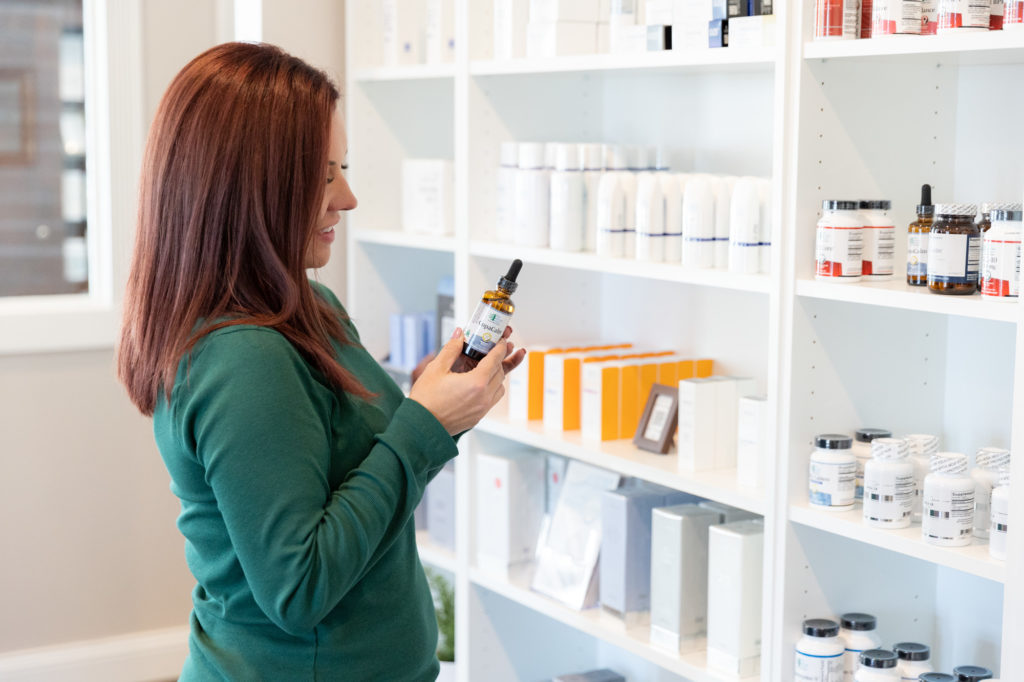
During this time, focus on hydration and skin repair. Skin’s ability to heal itself slows down after age 30, so start prioritizing it now. In fact, if you used budget-friendly products in your 20s, it’s time to switch to medical-grade products, including a high-quality eye cream.
In Your 40 & 50s | Replenish & Prevent
Entering your 40s and 50s, your body’s natural production of beneficial components slows, making it important to replenish them with proper skin care. We recommend upgrading most of your products to higher potencies, including your retinol and eye cream.
To counteract the loss of fullness that often accompanies aging, incorporate a hyaluronic acid product into your skin care routine during these years.
In Your 60s+ | Hydrate & Restore
Maintaining a consistent, medical-grade skin care routine focused on hydration is crucial as you age into your 60s and beyond. To combat sagging and improve skin elasticity, we recommend various anti-aging products tailored to different skin types and concerns.
Get Your Custom Skin Care Routine
Many resources offer skin care guidance, but developing a successful routine yourself requires significant time and research. Plus, it might not yield optimal results, particularly if you have more serious skin concerns.
Book a consultation at Amy Brenner, MD & Associates, our practice in Cincinnati, to begin your personalized skin care journey!