
If you’re around 40 years or older and you’ve struggled with symptoms like low libido, brain fog, or fatigue, you’re going to want to tune in. Throughout the stages of life, our hormone levels naturally fluctuate. However, it’s common for these fluctuations to cause lasting imbalances, resulting in a need for hormone replacement therapy in Cincinnati.
Misleading headlines and false claims have surrounded hormone replacement therapy for decades. Amy Brenner, MD & Associates is here to explain the truth about this innovative treatment. We’re experts, so let’s dispel the myths around hormone replacement therapy and tell you about the amazing transformation it can bring about in your life.
Understanding Hormone Replacement Therapy
Hormone replacement therapy is a medical treatment to address hormone imbalances. This therapy seeks to replace low levels of the hormones testosterone, estrogen, and occasionally progesterone. Improving your hormone levels can reduce certain symptoms and restore your body’s normal functioning.
How does hormone replacement therapy work?
Hormone replacement therapy delivers hormones to your bloodstream using various methods, such as injections, pellets, or topical creams. Over time, these added hormones build up in your system and reach adequate levels, eventually achieving the desired effect. For most patients, it can take around 3 months before they notice the benefits.
You should continue taking hormone supplements as long as you want to reap the rewards. When you conclude hormone replacement therapy, your hormone levels are likely to return to their pre-treatment status.
Hormone Imbalance Symptoms to Watch For
There are many symptoms of hormone imbalance, which people often assume are a side effect of aging. In reality, these burdensome experiences are often evidence of improper functioning in your body that we can rectify with hormone replacement therapy in Cincinnati. Hormone imbalance symptoms typically manifest differently in men and women.
Men’s Hormone Imbalance Symptoms
- Unexplained weight gain
- Increased breast tissue
- Loss of libido or interest in sex
- Erection issues
- Decreased morning erections
- Fatigue
- Difficulty sleeping
- Irritability
- Brain fog
- Hair loss
- Join aches and pains
- Decreased muscle strength
- Difficulty building muscle mass
- Decreased drive and ambition
- Depression, low mood
Women’s Hormone Imbalance Symptoms
- Hot flashes and/or night sweats
- Irregular periods
- Unexplained weight gain
- Fatigue
- Difficulty sleeping
- Irritability
- Brain fog
- Join aches and pains
- Muscle stiffness
- Loss of muscle mass
- Decreased drive and ambition
- Depression, low mood
- Vaginal dryness
- Loss of libido or interest in sex
- Painful intercourse

The Role of Hormones: Why They’re Crucial
Your endocrine system creates and releases over 50 hormones that travel all over your body, supporting key biological functions, like:
- Metabolism
- Blood pressure and blood sugar regulation
- Fluid (water) and electrolyte balance
- Body temperature regulation
- Growth and development
- Sexual function
- Reproduction
- Sleep-wake cycle
- Mood
Hormones work by communicating with these various systems to trigger chemical reactions needed to carry out your vital processes. There are therapies for all sorts of hormonal needs; think of thyroid treatment or diabetes management.
Hormone replacement therapy focuses on sex hormones because researchers developed it to treat age-related conditions, which often result from fluctuations in these hormones. As we get older, our reproductive systems go through significant changes, such as menopause or andropause, and these lead to a decline in sex hormones.
The resulting symptoms are quite taxing, resulting in the targeted treatment of sex hormones by hormone replacement therapy.
How Hormone Imbalance Happens
A wide variety of conditions, changes, and environmental factors can cause hormone imbalance. However, the biggest culprit of hormone imbalance is aging. After your 30s, your hormone levels decline by roughly 1% every year. If your levels get too low, you are likely to feel that in your body.
Other causes of hormonal imbalance, which hormone replacement therapy in Cincinnati can improve, include:
- Certain medications
- Steroid use
- Medical conditions
- Chronic stress
- Poor diet and nutrition
- Sedentary lifestyle
- Dissatisfactory sleep
Some people feel there’s a sudden uptick in the prominence of hormone imbalance and wonder why that is. Mostly, it’s simply the increase in education and awareness regarding hormone health.
Other factors which are theorized to contribute to hormone imbalance are alcohol consumption, pollution, Westernized diet and processed foods, and microplastics.
Hormone Replacement Therapy: Our Commitment to Optimization
Many doctors run hormone panels to assess if your levels are within a normal range. Upon detecting a severe hormone deficiency, they treat it according to generic standards. However, “normal” is relative; what’s sufficient for one patient may not be optimal for another.
At Amy Brenner, MD & Associates, we tailor hormone replacement therapy to optimize hormone levels rather than simply normalize them. Our team seeks to maximize your hormonal health by accounting for even the most subtle nuances.
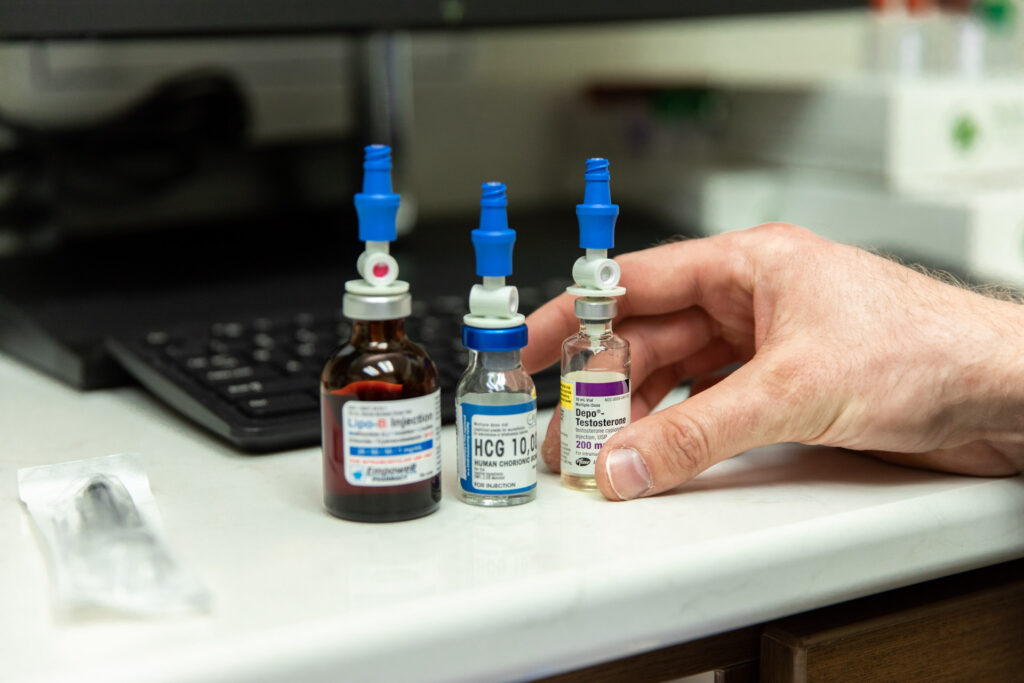
Treatment Details of Hormone Replacement Therapy
While every patient journey is unique, here’s what you can generally expect from hormone replacement therapy at our practice.
Consultation
When you come to Amy Brenner, MD & Associates, we begin every treatment with a consultation. You’ll meet with one of our knowledgeable providers to review your medical and family history, discuss your concerns, and set goals for treatment.
After you’ve established your needs, your provider will collaborate with you to develop a comprehensive, personalized treatment plan. We pride ourselves on always tailoring our care to your unique characteristics and preferences. Rather than dolling out cookie-cutter treatment plans, we’ll provide feedback that’s specific to you.
During your consultation, feel free to ask any questions or bring up any concerns you may have. This is your opportunity to be open and honest, so we can design an accurate treatment plan for hormone replacement therapy in Cincinnati.
Hormone Panel
If you’re a good candidate for hormone therapy, we’ll take your bloodwork and perform a hormone panel. When we receive your results, we’ll be able to make more informed choices about your dosage needs.
Treatment
Approximately 2 weeks post-bloodwork, you will review the results with your healthcare provider and develop a customized treatment plan. Should you and your provider decide that hormone therapy is still the optimal approach, we can administer pellets immediately, or we can set up home delivery of creams or injections.
Hormone replacement therapy is not a 1-and-done treatment; it requires patience and long-term adherence.
Ongoing Support
Once you’ve received your hormone prescription, our attentive care won’t dissipate. We commit ourselves to your healing and lasting satisfaction. We’ll schedule regular checkups at the office to make sure your hormone health is great and you feel your best. If symptoms persist, we will gladly adjust your dosage until we get it right!
Frequently Asked Questions About Hormone Replacement Therapy
As a leading provider of hormone replacement therapy in Cincinnati, we receive many questions regarding this cutting-edge treatment. We’ve listed our most frequently asked questions below.
Is testosterone therapy just for men?
An often overlooked fact is that testosterone plays an important role in both men’s and women’s bodies. In fact, women actually make more testosterone over the course of their lifetime than they do estrogen.
Benefits of testosterone include increased energy, muscle growth, enhanced exercise capacity and recovery, stronger bones, better cognitive function, and a healthy sex drive. Testosterone levels decrease for both men and women around age 30; replenishing them may restore your youthful overall sense of well-being.
To learn more about testosterone therapy for women, listen to our HealthiHer podcast episode, Should a Woman Take Testosterone?
Is hormone replacement therapy safe?
When administered by a certified professional who specializes in hormone health, hormone replacement therapy is incredibly safe.
Research on hormone therapy safety frequently conflates synthetic progestins—chemically altered versions of progesterone—with natural hormones, which is misleading. This form of treatment carries more risks and has led to the long-lasting myths about the safety of hormone therapy.
Paradoxically, the estrogen and testosterone treatments we use actually combat the very health issues many associate with hormone replacement therapy.
Do I need hormone replacement therapy?
If you’re over 40 and suffering from the listed symptoms, you are likely to benefit from hormone replacement therapy. However, the only definitive way to know whether you require hormone replacement therapy is through bloodwork and a hormone panel administered by a medical professional.
Why Choose Amy Brenner, MD & Associates
Our team is made up of experienced medical professionals. At our practice, you have access to Board-Certified Physicians, Women’s Health Nurse Practitioners, Wellness Coaches, Skincare Specialists, and Body Contouring Specialists.
The breadth of our specialties guarantees you receive knowledgeable and experienced care. The captain of our ship, Dr. Amy Brenner, has an impressive educational and occupational background, which you can explore on our website.

Get Back to Who You Were Before Hormone Imbalance
Too many people ignore their symptoms and try to “tough it out,” believing their suffering is merely the consequence of getting older. But that isn’t necessarily accurate, nor is it the optimal choice for your long-term health. To learn if hormone replacement therapy in Cincinnati could solve your struggles, meet with an expert at Amy Brenner, MD & Associates.
Not quite ready to schedule your visit? Use our Virtual Consultation tool to select your concerns and add your contact information. We’ll get started on your personalized treatment plan and get back to you shortly.